
What country is Bali in?
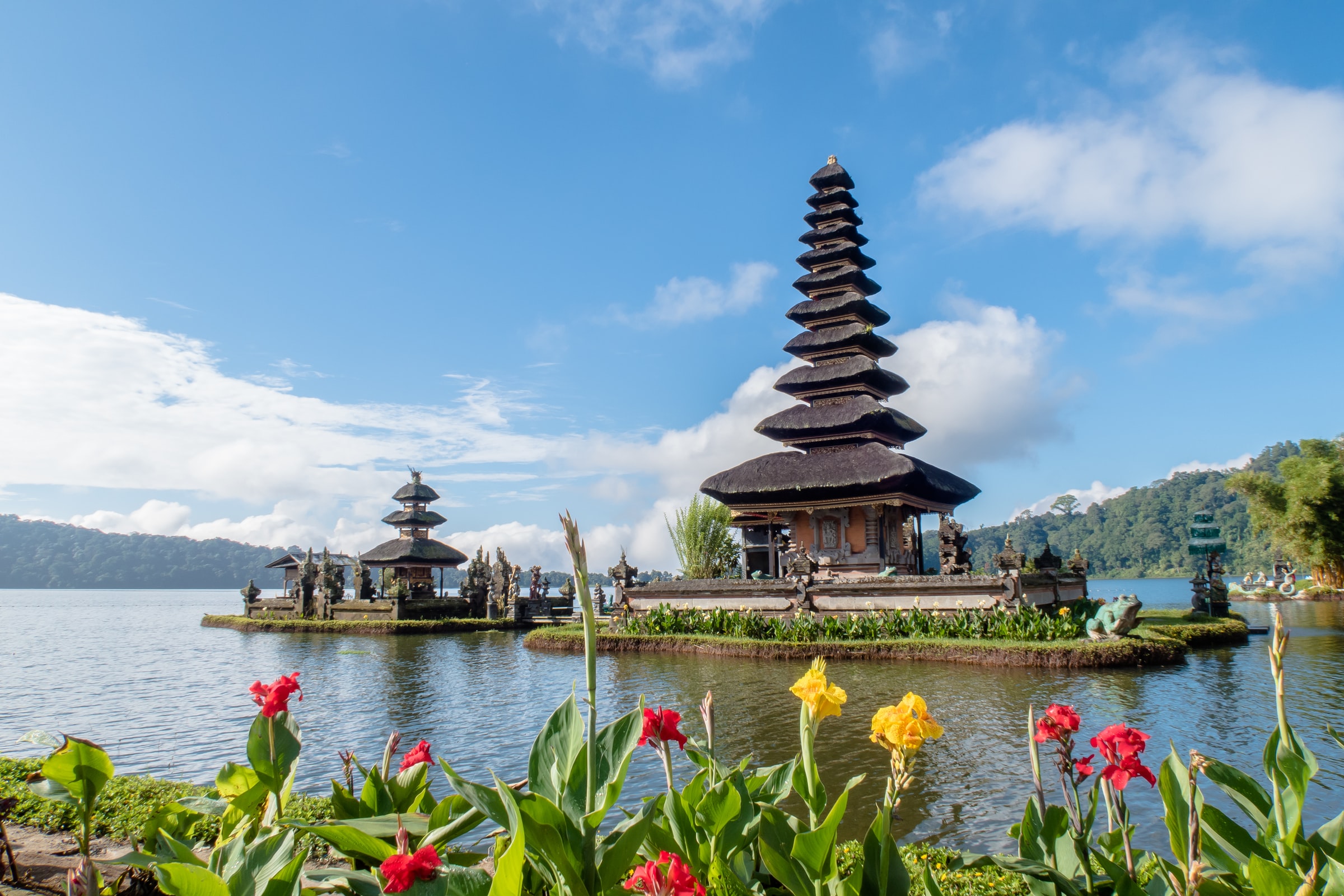
There’s a lot to discover about Bali, and if you’re wondering what country Bali is in, you’re in the right place. You should know that Bali is part of Indonesia, the world’s largest archipelago, spanning over 17,500 islands. Located in Southeast Asia, Indonesia lies in the Pacific Ring of Fire, an area known for its significant volcanic activity and earthquakes. Despite this, Bali offers you a temperate climate with perfect conditions for travel year-round, making it a top destination for millions seeking both adventure and relaxation.
Key Takeaways:
- Bali is part of Indonesia, a country located in the southern hemisphere of Southeast Asia.
- Indonesia is the world’s largest archipelago, comprising over 17,500 islands, with only 922 inhabited.
- Bali is the best-known island of Indonesia and lies between the islands of Java and Lombok in the Lesser Sunda Islands.
Geographic Location of Bali
Bali: An Overview
Your journey to understanding Bali begins with its location between two significant Indonesian islands, Java and Lombok. Nestled just a few kilometres across the Bali Strait from Java, Bali is part of Indonesia’s Lesser Sunda Islands. This position places you in the heart of a stunning archipelago known for its vibrant culture and natural beauty.
Between the diverse landscapes and the warm equatorial climate, Bali offers you an ideal setting for exploration. Its tropical temperament is tempered by its proximity to the equator, roughly 8 degrees south, providing perfect temperatures all year round for tourists and locals alike to enjoy the island’s many attractions.
Position in the Indonesian Archipelago
By locating yourself within the Indonesian archipelago, you find Bali in a region comprising over 17,500 islands that span nearly 1.9 million square kilometres. Indonesia is a sprawling transcontinental country situated between Asia and Australia, with large land borders shared by Malaysia, Papua New Guinea, and East Timor-Leste, making it one of the most expansive island nations globally.
By being part of this archipelago, Bali benefits from its adjacency to the Bali Sea, a diverse marine environment that connects the Pacific and Indian Oceans through the Indonesian throughflow. This unique position enhances Bali’s marine life diversity and offers you direct access to some of the world’s best snorkeling, scuba diving, and surfing locations.
Considering Bali’s location within the Pacific Ring of Fire, you should be aware that the island and its surroundings experience volcanic activity and earthquakes as part of this highly active geological zone. While this presents potential risks, it also contributes to the fertility of the land and the creation of magnificent volcanic landscapes that attract many visitors each year.
Indonesia: The Country Overview
Basic Facts About Indonesia
For you to understand Bali better, it’s important to know that it is part of Indonesia, a vast and diverse archipelago comprising over 17,500 islands, with only 922 inhabited. Spanning nearly 2 million square kilometers, Indonesia stretches from the edges of Southeast Asia down toward Australia, lying predominantly in the southern hemisphere. This expansive geographical area means that the country encompasses a wide range of climates and cultures, making it a fascinating place to explore. Indonesia’s location along the Pacific Ring of Fire also means it is home to about 75% of the world’s active and dormant volcanoes, which adds both to the country’s natural beauty and its potential geological danger.
You will find that Indonesia shares land borders with Malaysia, Papua New Guinea, and East Timor-Leste, while maritime borders extend to countries like India, Singapore, Australia, and the Philippines. As the world’s largest archipelagic country, Indonesia’s diversity in landscapes, peoples, and languages offers you a unique experience whether you are traveling through Bali or venturing elsewhere across the islands.
The Importance of Indonesia in Southeast Asia
Before plunging into Bali’s place in Indonesia, you should consider Indonesia’s significant role within Southeast Asia. With its vast territory and large population, Indonesia acts as a regional powerhouse in economics, culture, and geopolitics. The country is not only a bridge between Asia and Oceania but also a connector of marine traffic through vital passages such as the Bali Strait and Lombok Strait, which facilitate trade and travel between the Pacific and Indian Oceans. This strategic positioning makes Indonesia a key player in the region’s security and economic stability.
Indonesia also serves as a cultural beacon, with its rich history, ethnic heterogeneity, and vibrant traditions influencing neighbors and contributing to the broader Southeast Asian identity. As you explore the region, you will notice Indonesia’s impact on art, cuisine, and religion, further confirming its importance beyond just political or geographical dimensions.
Indonesia’s position along the Ring of Fire brings significant volcanic activity, which while potentially dangerous, has also enriched the soil and supported agriculture for millions. The country’s biodiversity and natural resources, combined with its strategic location, shape its role as a prominent, dynamic nation you should pay attention to when considering Bali’s place in the world.
Bali’s Oceanic Context
For you to fully appreciate Bali’s geographical and environmental setting, understanding the surrounding oceanic features is crucial. These waters not only shape the island’s climate and biodiversity but also influence many recreational and economic activities that you can enjoy during your visit.
The Bali Sea and Its Importance
On your journey around Bali, you will notice that the island is situated in the Bali Sea, which forms the south-west part of the larger Flores Sea. This sea covers an area of around 45,000 square kilometres and is known for its warm waters and strong surf to the west. These conditions provide excellent opportunities for swimming, snorkelling, scuba diving, and surfing, making Bali a prime location for water sports enthusiasts.
Beyond recreation, the Bali Sea supports a huge diversity of marine species. This rich marine life contributes to the local fishing industry and helps sustain the livelihoods of many communities around the island. As you explore the sea, you will witness firsthand the vitality of this aquatic ecosystem and understand why it is so important to Bali’s natural heritage.
The Indonesian Throughflow and Oceanic Connections
Above the Bali Sea, you find yourself at a significant juncture in the world’s oceanic system known as the Indonesian Throughflow. This powerful ocean current channels water from the Pacific Ocean through a network of straits, including the Bali Strait between Java and Bali, before continuing into the Indian Ocean. Because of this, the Bali Sea is part of a larger marine corridor that influences ocean circulation, climate, and marine biodiversity across a vast region.
The Indonesian Throughflow plays a vital role in the climatic and ecological dynamics of Southeast Asia and beyond. For you, this means Bali enjoys a temperate climate with stable seawater temperatures, enhancing the island’s appeal for year-round tourism and diverse marine activities. However, the Throughflow can also contribute to strong currents, which may require caution during ocean activities depending on your location.
Contextually, the Indonesian Throughflow strengthens Bali’s oceanic links not only to surrounding Indonesian islands such as Lombok and Java but also to the Pacific and Indian Oceans. This extensive oceanic connection facilitates the mixing of marine species, supports migration routes, and affects local weather patterns, giving you a unique environment where diverse cultures and ecosystems intersect through the sea.
Bali’s Administrative Significance
Despite its relatively small size compared to other provinces in Indonesia, Bali holds a significant administrative position within the country. As one of the most popular travel destinations in Indonesia, it not only serves as a cultural and tourism hub but also plays an important role in the regional governance of the Lesser Sunda Islands. Bali’s local government manages various administrative functions while promoting the preservation of its rich cultural heritage and natural resources, which are key to maintaining its global appeal.
Denpasar: The Capital City of Bali
An vital part of Bali’s administrative structure is its capital city, Denpasar. As the island’s main urban center, Denpasar is where much of the government’s administrative activities are concentrated. You will find not only the island’s primary international airport here but also key government offices and institutions. This makes Denpasar the first stop for many visitors and the central hub for organizing your travel around Bali.
While exploring Denpasar, you will notice its vibrant mix of traditional Balinese culture and modern urban life. The city hosts several important landmarks such as the Jagatnatha Temple and the Bajra Sandhi Monument, which stand as symbols of Balinese identity and history. Its role as a commercial and administrative center also means you can easily access services, accommodations, and transport options from here.
Population and Cultural Diversity
By 2014, Bali’s population reached over 4.2 million people, with Denpasar alone home to nearly 790,000 residents according to the 2010 Census. This population density reflects Bali’s importance as both a cultural center and a regional economic hotspot. You will find that Bali’s population is composed of a unique blend of ethnic Balinese, as well as Javanese, Sasak, and other Indonesian groups, which creates a rich cultural tapestry.
The island’s cultural diversity is something you will quickly notice, especially in its rituals, festivals, and arts that remain deeply rooted in Hindu traditions unique to Bali. This diversity contributes to Bali’s strong social cohesion but also presents challenges for local governance in balancing tradition with modernization.
At the same time, Bali’s position within the Pacific Ring of Fire means you should be aware of the potential dangers posed by volcanic activity and earthquakes. Despite these risks, the island’s geographic and cultural resilience make it a place of continued growth and attraction. For you as a visitor or resident, understanding Bali’s population dynamics and administrative framework can enrich your experience and appreciation of this extraordinary island.
Neighboring Islands and Countries
Bali’s Proximity to Java
Countries surrounding Bali include Java, a significant island located just a few kilometres across the Bali Strait to the west. Java is home to Indonesia’s bustling capital, Jakarta, and serves as an important economic and cultural hub for the country. When you visit Bali, you’ll find that Java’s close proximity offers opportunities for day trips or extended explorations, giving you a chance to see a more urban and diverse side of Indonesia.
The narrow Bali Strait separating Bali and Java is part of the Indonesian throughflow, a crucial water current moving from the Pacific Ocean to the Indian Ocean. This strait is not only an important shipping lane but also influences Bali’s marine life and weather patterns, adding to the island’s rich biodiversity and its appeal as a travel destination.
The Relationship with Lombok and the Gili Islands
Any traveler interested in exploring beyond Bali will find Lombok, located to the east, a natural next stop. Together with the nearby Gili Islands, Lombok forms a group of islands that complement Bali’s tourist offerings with quieter beaches, hiking options, and vibrant coral reefs. The relatively short distance across the Lombok Strait allows you to experience diverse landscapes and cultures within a brief trip.
Relationship between Bali, Lombok, and the Gili Islands is strengthened by regular ferry services and easy transport connections, making it convenient for you to combine visits. This proximity encourages exploration of less-crowded spots while still enjoying the Balinese hospitality and natural beauty that you expect from the region.
Maritime Borders with Other Nations
On the broader scale, Indonesia, including Bali, shares maritime borders with several nations such as India, Singapore, Vietnam, the Philippines, Palau, and Australia. These maritime boundaries highlight Indonesia’s extensive archipelagic nature, spanning a massive 1.9 million square kilometres across a strategic location between Asia and Australia. When you consider these borders, it becomes clear how Indonesia—and Bali in particular—acts as a pivotal point for trade, culture, and biodiversity in Southeast Asia.
The Pacific Ring of Fire adds a layer of natural risk to these maritime areas due to frequent earthquakes and volcanic activity. As you navigate these regions or plan your trip, it’s important to be aware of the dynamic geological environment that shapes Bali and its neighboring seas.
Hence, your experience around Bali will be influenced not only by the island’s natural beauty but also by its role as part of a larger, interconnected maritime region. This setting offers you unique access to rich ocean life, vibrant cultural exchanges, and the excitement of an island situated along one of the world’s most geologically active zones.
Tourism and Travel Considerations
Major Attractions in Bali
Around Bali, you will find a wealth of unique cultural and natural attractions that draw millions of travelers each year. The island’s capital, Denpasar, is not only a bustling urban center but also home to landmarks such as the Jagatnatha Temple and the Bajra Sandhi Monument, offering you accessible insight into Balinese history and spirituality. For nature lovers, the Turtle Conservation and Education Center provides an opportunity to witness marine preservation efforts firsthand.
Beyond the city, you can explore stunning beaches, vibrant markets, and traditional villages that showcase Bali’s rich artistic heritage. With its tropical climate and position just 8 degrees south of the equator, you’ll enjoy year-round warmth that makes outdoor activities like surfing, snorkeling, and hiking in places like Ubud and the nearby Gili Islands highly appealing.
Transportation Options
Across Bali, you have several transportation choices that cater to various budgets and preferences. The island’s main gateway is Ngurah Rai International Airport in Denpasar, from where you can easily access taxis, motorbike rentals, or private car services. This infrastructure allows you to conveniently reach popular destinations around the island without unnecessary delays.
Within Bali, motorbikes offer an adventurous and economical way to explore at your own pace, but keep in mind traffic conditions and road safety. For a more relaxed experience, you can opt for car rentals with drivers who also serve as local guides, enhancing your journey with their knowledge.
To make the most of your stay, it’s advisable to plan your routes in advance, especially when traveling between major sites like Denpasar, Ubud, and the eastern regions near Lombok. Some areas may require extra caution due to narrow or busy roads, so always prioritize your safety when choosing your mode of transport.
Cultural Significance of Bali in Indonesia
Behind Bali’s reputation as a top travel destination lies a deeply rooted cultural heritage that distinguishes it from the rest of Indonesia’s 17,500 islands. The island is renowned for its rich traditions, Hindu temples, and festivals that play an necessary role in the daily lives of its approximately 4.2 million residents. When you visit, you will witness a vibrant blend of arts, dance, music, and rituals that maintain Bali’s unique identity within the archipelago.
Understanding Bali’s cultural prominence offers you a richer travel experience, as many popular sites and events reflect the island’s spiritual values and longstanding customs. This cultural depth is why Bali remains Indonesia’s number one travel destination and a place where visitors often feel a close connection to local history and community life.
A significant part of Bali’s cultural identity is its strong preservation of traditional arts and ceremonies, which ensures that the island remains not just a tourist hotspot, but a living cultural hub. Engaging respectfully with these traditions will enhance your appreciation of the island and its people.
Final Words
Hence, you can be confident that Bali is part of Indonesia, a vast and diverse archipelago situated in Southeast Asia. As Indonesia’s most famous island, Bali offers you a unique blend of cultural richness, natural beauty, and vibrant tourism opportunities. Understanding its position within Indonesia helps you appreciate its significance both geographically and culturally within the region.
When you plan your visit or study this island, knowing that Bali lies between Java and Lombok within the Indonesian territory allows you to explore its connections to neighbouring islands and the broader Southeast Asian context. This knowledge gives you a deeper appreciation of Bali’s place in one of the world’s largest island nations, making your experience or research more meaningful.